
Vincent van Gogh moved to the village of Auvers-sur-Oise, about thirty kilometers northwest of Paris, on May 20, 1890. After being discharged from the hospital in Saint-Rémy, he sought to settle near his brother Theo, who lived in Paris. He chose Auvers not only for its proximity to the city but also to be under the care of Dr. Paul Gachet.
Dr. Gachet was not only a physician but also a painter and a devoted supporter of the Impressionists. Theo believed that Vincent would benefit from a doctor who understood artistic sensitivity. However, things turned out differently. After just ten weeks in Auvers, Vincent shot himself in the stomach and died two days later, on his brother Theo’s lap.
Today, Auvers-sur-Oise is home to numerous landmarks that evoke the final weeks of Van Gogh’s life and work. Both Vincent and Theo are buried here, and in October 2016, we visited this historic place. In the following, we share everything we saw and experienced in the footsteps of this artistic genius.
In the footsteps of Vincent van Gogh
Auberge Ravoux, Van Gogh’s Room, and the Van Gogh Institute
Upon arriving in Auvers-sur-Oise, Vincent rented a damp, modest room in the Auberge Ravoux, an inn run by the Ravoux family. It was here that he drew his last breath on July 29, 1890. Today, the room remains almost entirely empty, containing only a single wooden chair, reminiscent of those in Van Gogh’s paintings, and an inscription on the wall that encapsulates both his hopes and artistic aspirations:
“One day or another, I believe I will find a way to have my own exhibition in a café.”
Vincent wrote these words to his brother Theo in a letter dated June 10, 1890, while staying at this very place.
There is nothing of great historical value to see here, yet the oppressive atmosphere of the tiny room—lit only by a single skylight in the slanted ceiling—allows visitors to experience the solitude Van Gogh endured. The space profoundly evokes his artistic spirit, a sensation intensified by the fact that he was the last person to occupy it.
The Ravoux family never rented out the “suicide room” again, and to this day, the presence of Van Gogh’s restless soul lingers in the air.
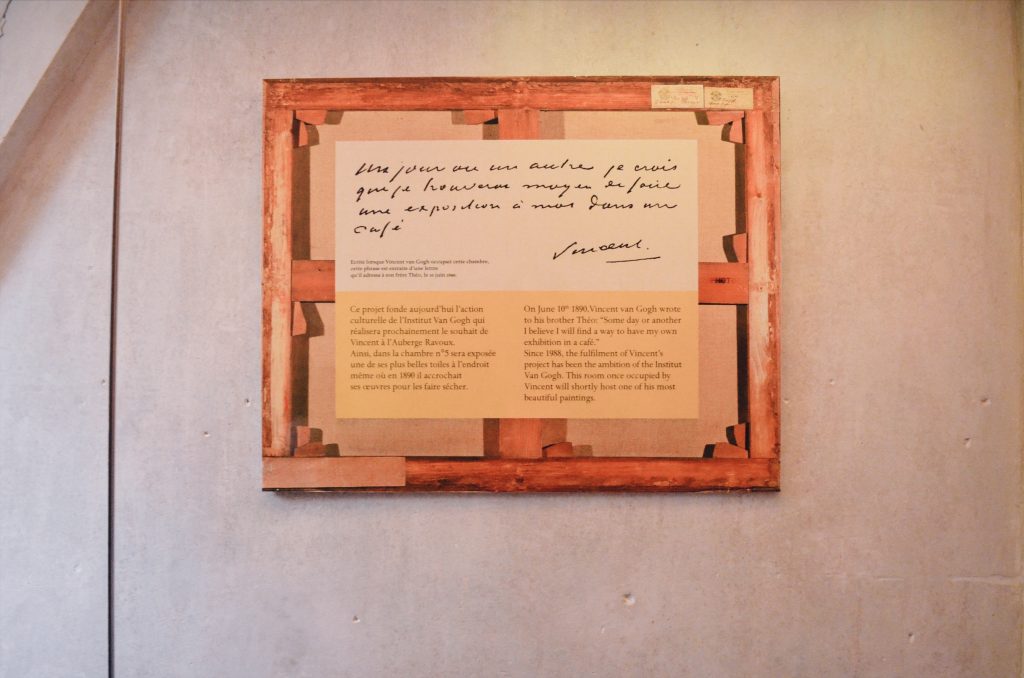
Van Gogh’s letter to his brother Theo
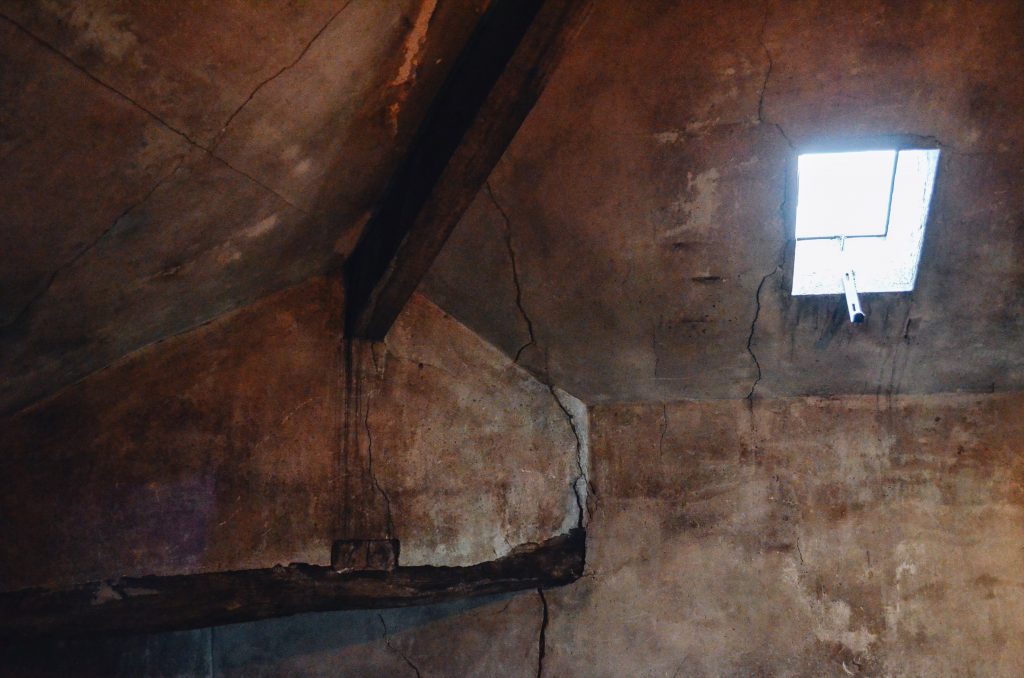
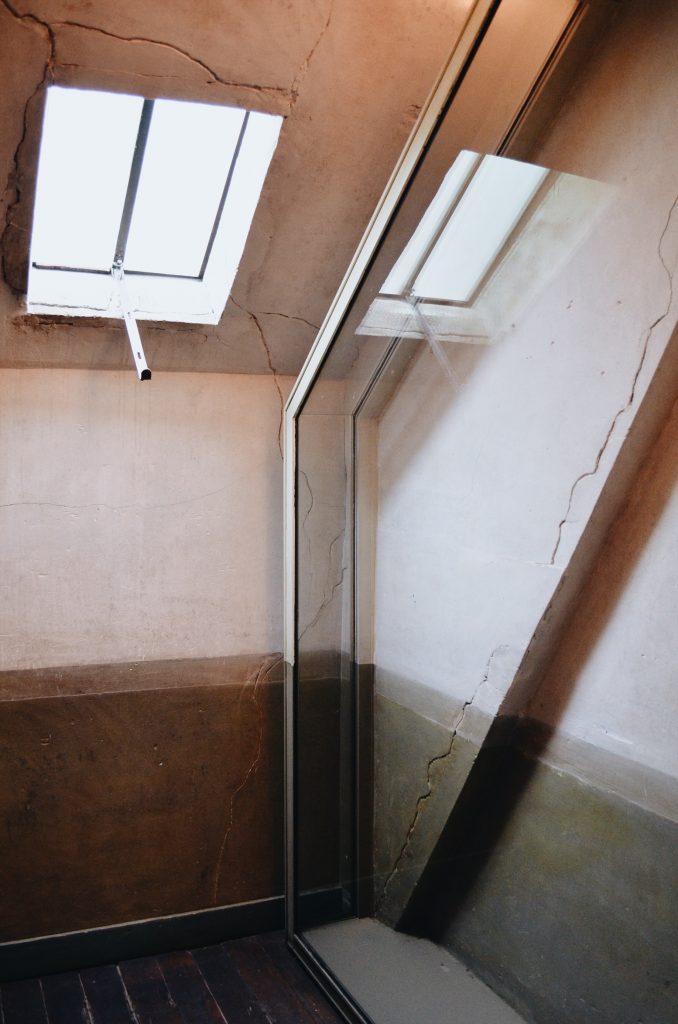
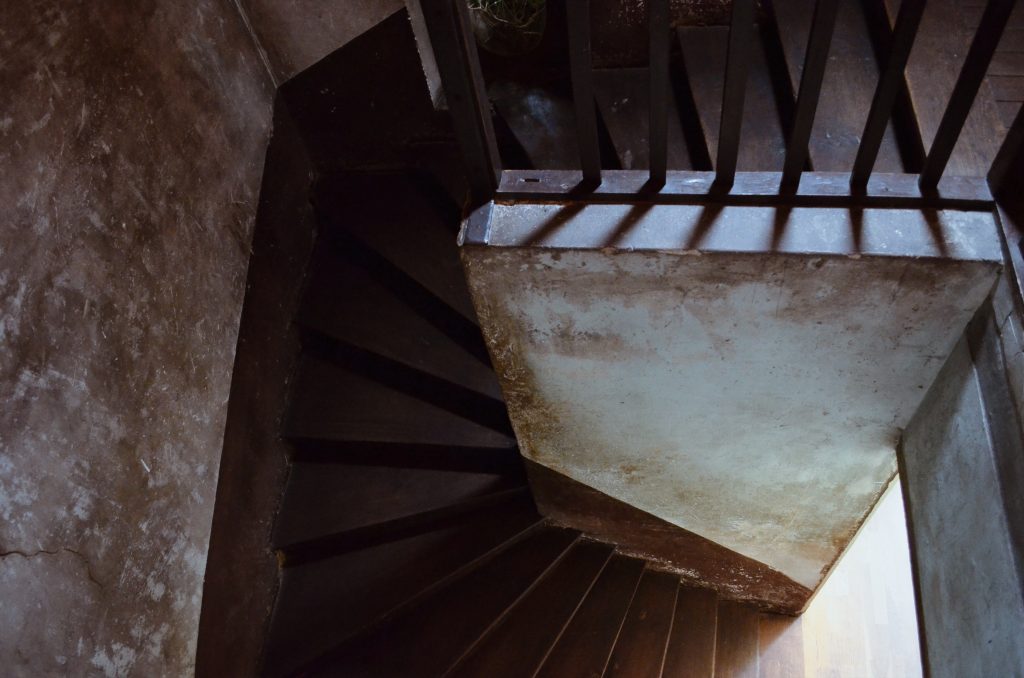
Van Gogh’s room
Behind the Auberge Ravoux, the Van Gogh Institute was founded in 1987 by Dominique-Charles Janssens, who also serves as its president. His mission was to preserve the memory of the great artist in Auvers-sur-Oise. Although the institute does not house any original Van Gogh paintings, the fact that he spent his final days in these very rooms and on these very streets makes the Ravoux Inn an essential stop on the pilgrimage route for Van Gogh admirers.
During our visit to the Institute, we had the chance to explore its library, which holds an extensive collection of scientific and literary works dedicated to Van Gogh in various languages. We also sampled cider, a traditional apple-based alcoholic beverage typical of this region of France.
Perhaps the most memorable part of our visit was meeting Mr. Janssens himself—the man responsible not only for the founding of the Institute but also for organizing numerous cultural events and activities that keep Van Gogh’s legacy alive in Auvers-sur-Oise.
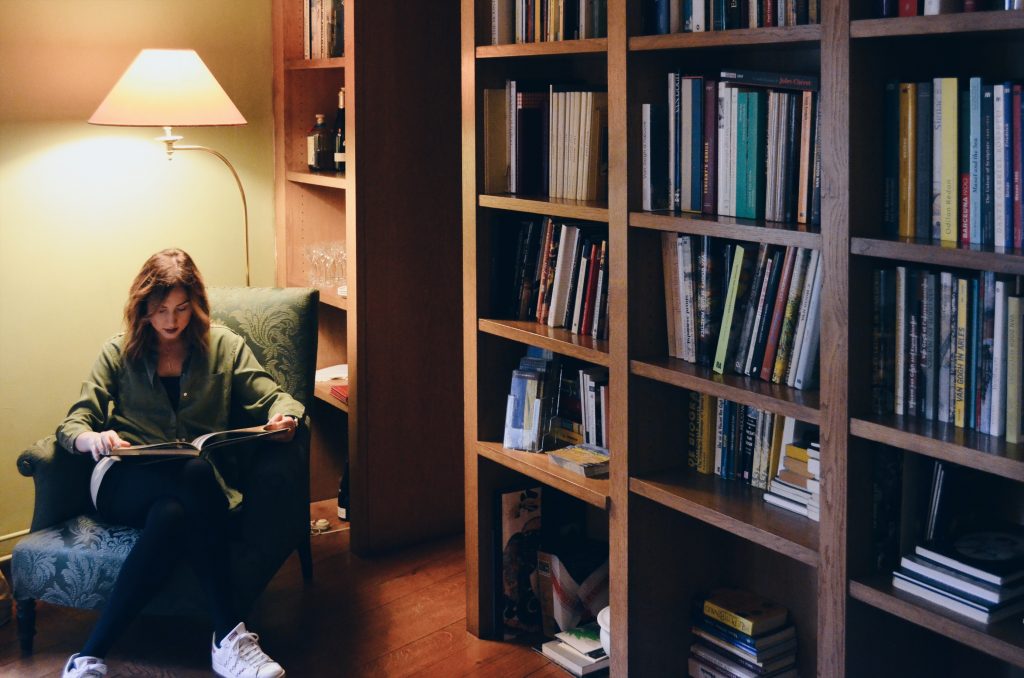 Van Gogh Institute premises
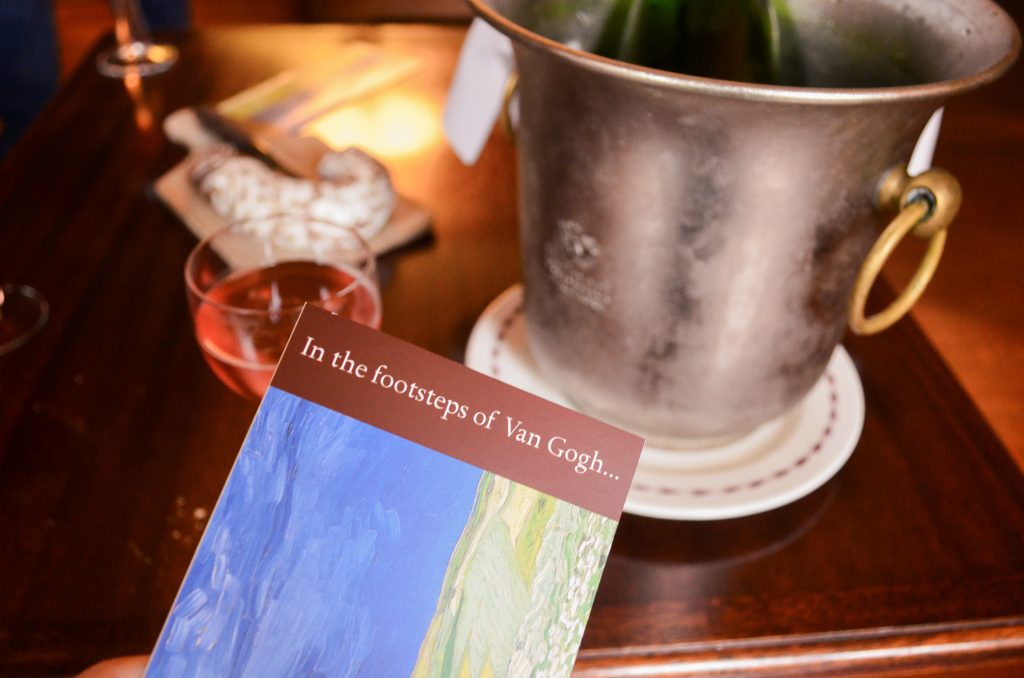 From the Van Gogh Institute
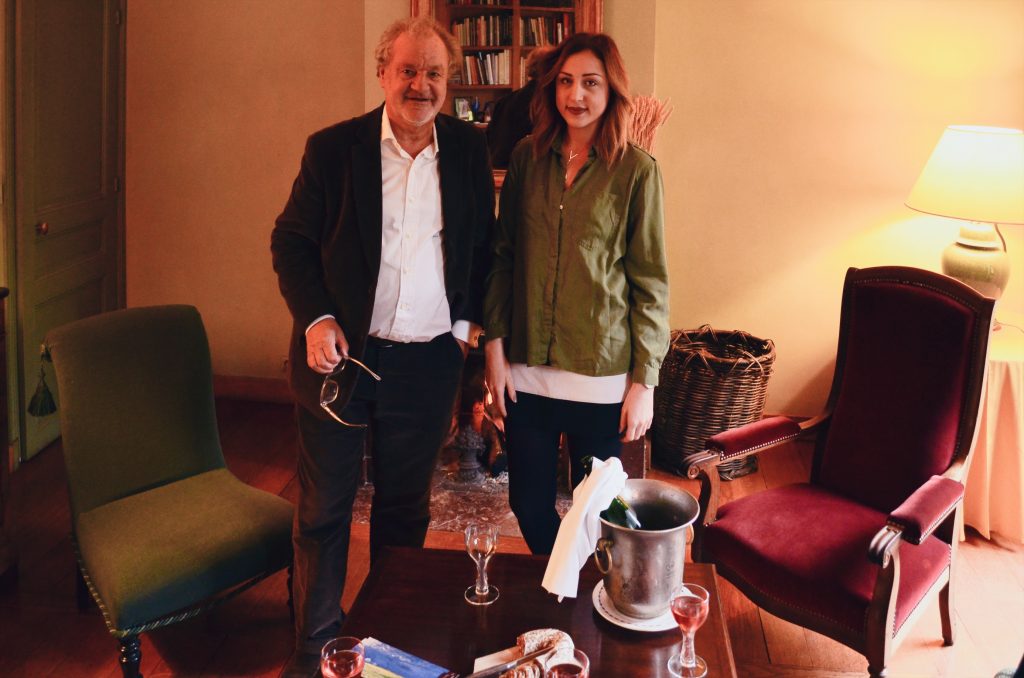
With the president of the Van Gogh Institute
Our experience of Van Gogh’s final surroundings was made even more immersive by lunch at Auberge Ravoux, the very place where the artist often dined. One detail that particularly caught our attention was the tablecloth imprinted with “Auberge Ravoux”, which might have gone unnoticed if not for its unexpected artistic connection—Van Gogh used café cloths as makeshift canvases when he couldn’t afford proper painting supplies. In desperate times, he would stretch these fabric scraps over frames and paint on them, turning even the simplest materials into art.
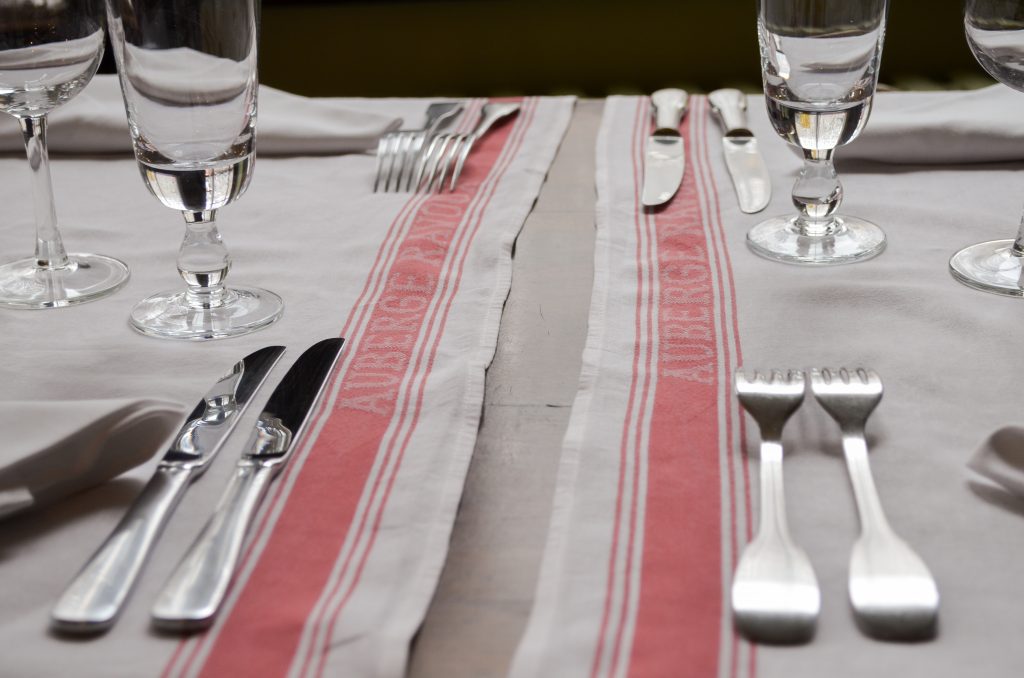
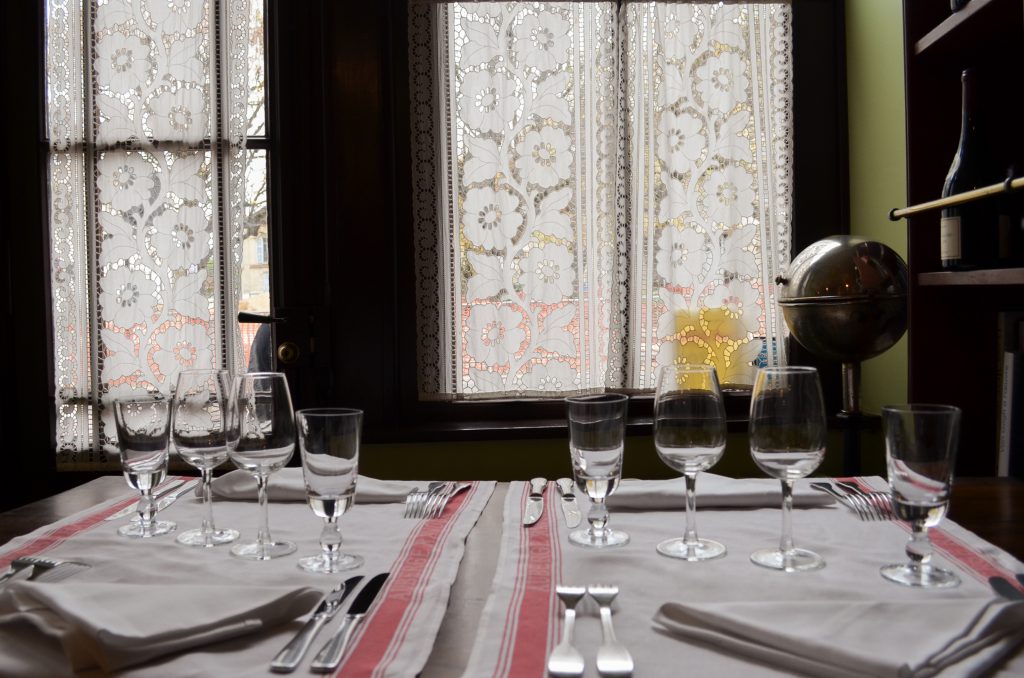
Details in the pub Ravo
Auvers-sur-Oise: An Open-Air Museum
For the 100th anniversary of Van Gogh’s death in 1990, the Yves Saint Laurent Foundation, in collaboration with the local government of Auvers-sur-Oise, transformed the village center into an open-air museum.
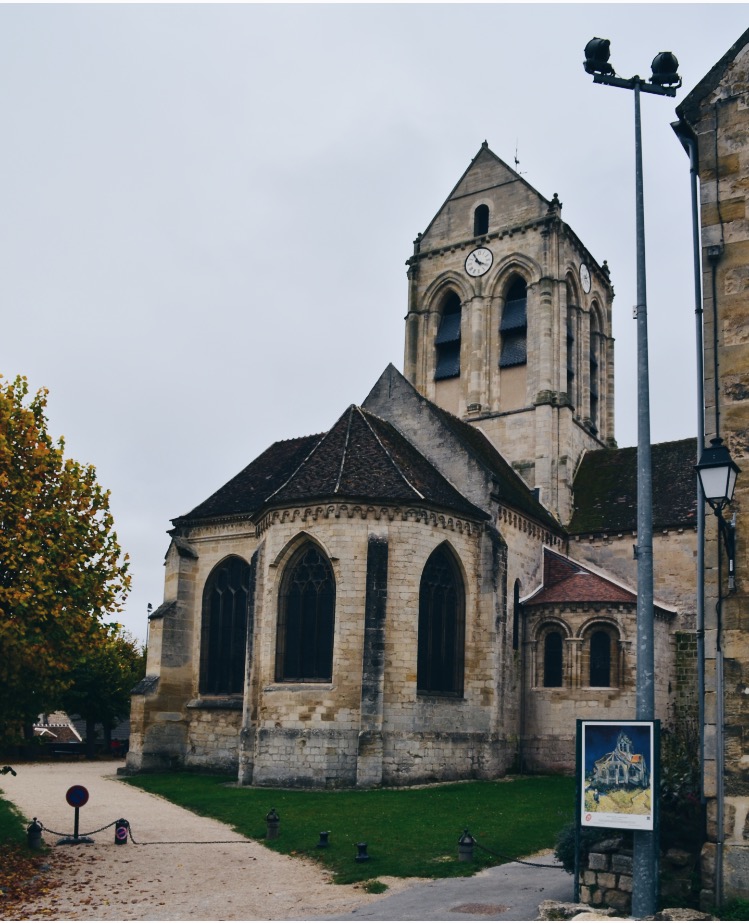
This picturesque village in the Oise Valley has long been a haven for artists, attracting painters such as Paul Cézanne, Jean-Baptiste-Camille Corot, and Charles-François Daubigny, who captured its landscapes on their canvases. However, what fascinated us most during our visit were the informational panels placed throughout the town, each displaying a reproduction of a Van Gogh painting at the exact location where it was created.
It is a truly unique feeling to stand in front of the church, town hall, or gardens and see them from the same perspective as Van Gogh, experiencing firsthand the scenery that inspired him. Visitors can also tour Dr. Gachet’s house, where Van Gogh often visited.
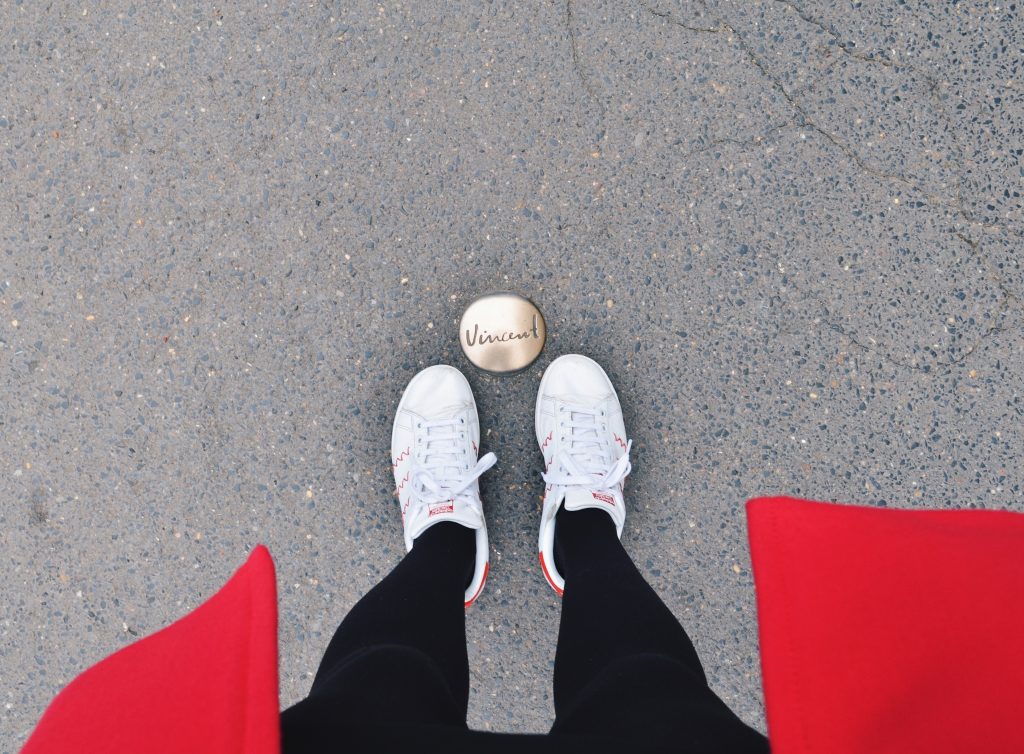
Adding to the charm of the village are small artistic details, such as street markers engraved with Van Gogh’s signature, “Vincent.”
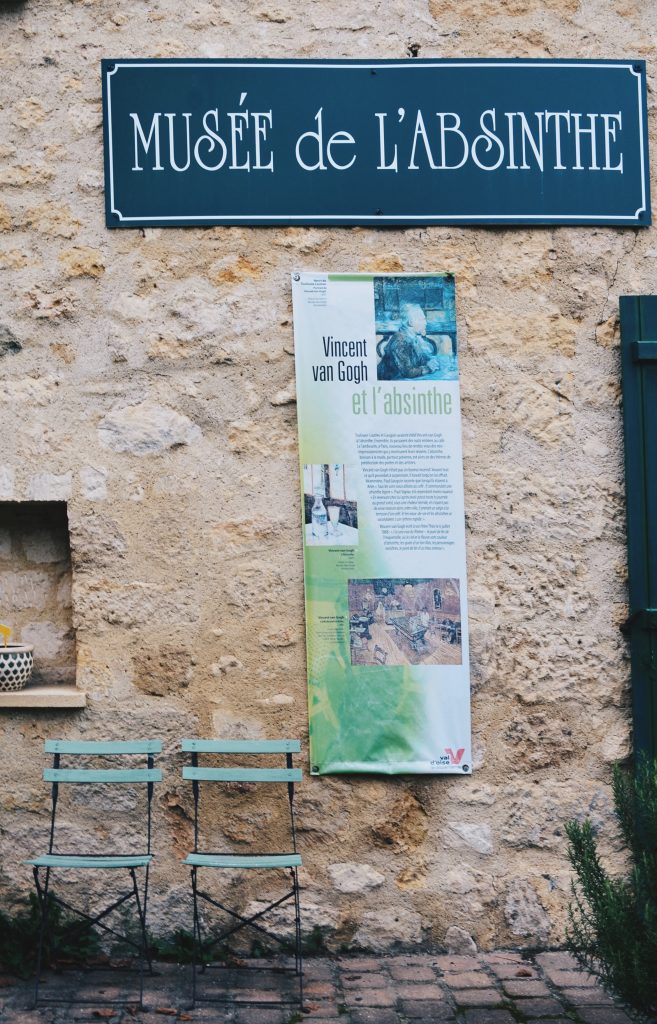
For those intrigued by the bohemian life of the late 19th century, Auvers-sur-Oise is also home to the Absinthe Museum, dedicated to the infamous high-alcohol spirit that surged in popularity during Van Gogh’s time, particularly among artists and writers.
.
The most powerful impression came from what seemed at first like a completely unremarkable landscape—a simple wheat field. However, its significance lies in the fact that Van Gogh immortalized it in one of his last paintings, Wheatfield with Crows, and that this was most likely the very spot where he shot himself.
His words to his brother Theo paint a haunting picture of his unbearable existence as a mentally fragile, misunderstood, and rejected man:
“Returning here, I continued to work. The brush almost slips from my hands… I have no difficulty expressing sadness and extreme loneliness.”
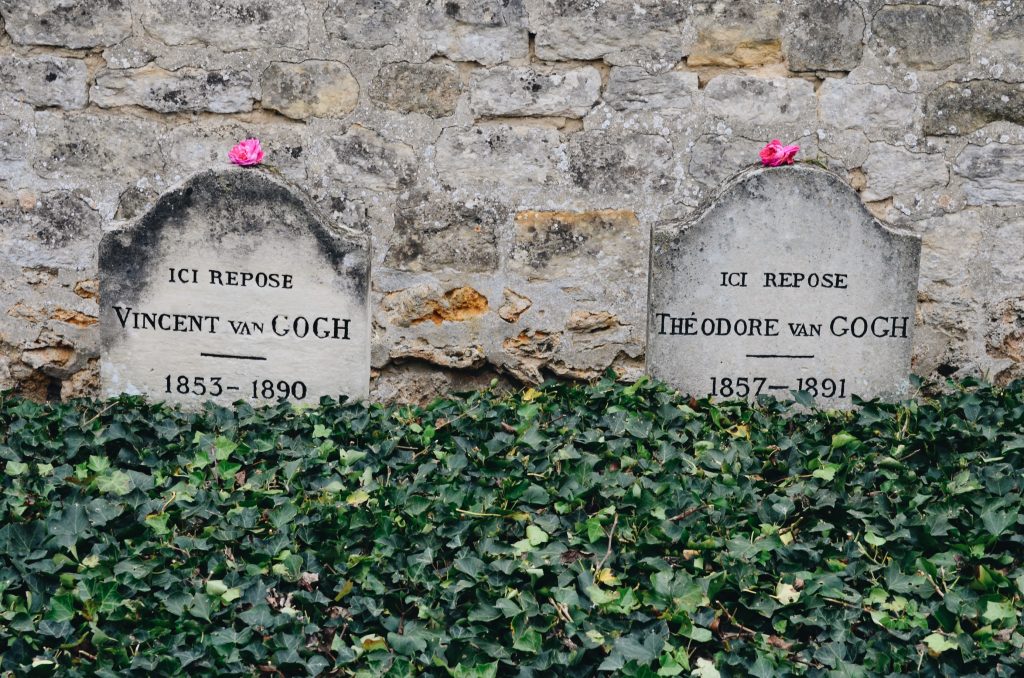
Not far from the field that he committed to canvas, just beyond the golden stalks that still sway in the wind, lies the village cemetery, where Vincent and Theo Van Gogh rest side by side.
Here, in this small and unassuming place, Van Gogh created true masterpieces, lived his final days, and ultimately found his eternal home.
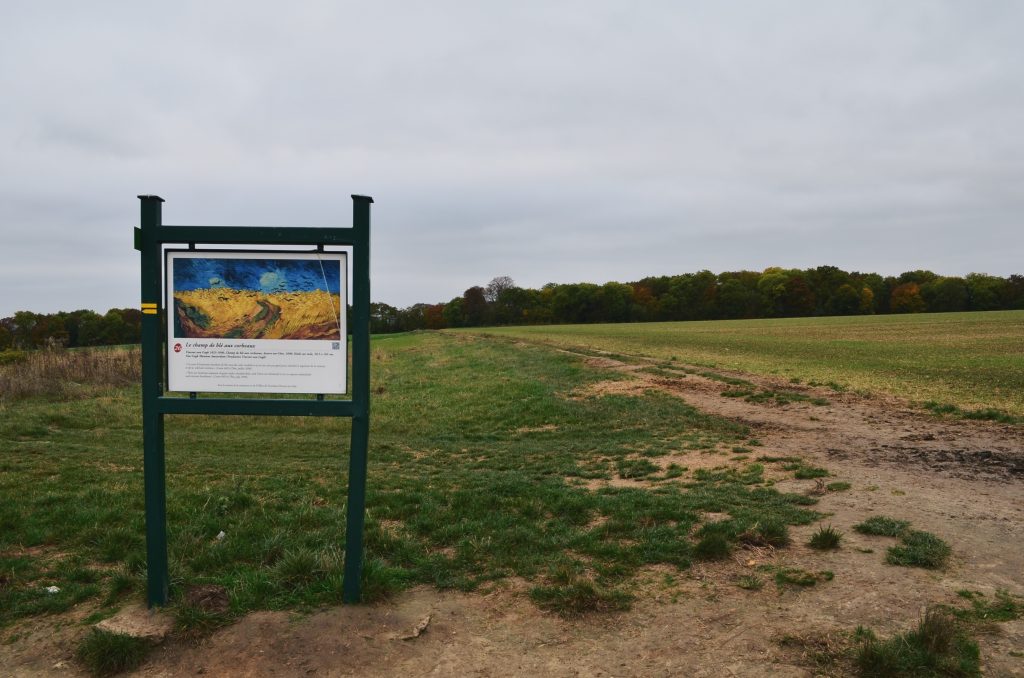 Place where the work was created Wheat field with crows
Two Final Masterpieces from Auvers-sur-Oise
The Church at Auvers
Painted in June 1890, The Church at Auvers is now part of the permanent collection of the Musée d’Orsay in Paris. When comparing the real-life church to Van Gogh’s interpretation, his artistic approach becomes much clearer.
For Van Gogh, architecture was merely a starting point—a foundation upon which he constructed his vision. In this painting, the church appears both engulfed in its own shadow and simultaneously the sole source of light, illuminating the sky behind it.
With this work, Van Gogh foreshadowed the radical changes in modern art at the turn of the 20th century—rejecting traditional perspective, using color as a vehicle for emotional expression, and capturing the world as he deeply felt it rather than as it physically appeared.
Reflecting on this painting in a letter to his sister Wilhelmina, Van Gogh compared it to his earlier works painted in Nuenen, noting:
“… And again, it is almost the same thing as the studies of the old tower and cemetery that I painted in Nuenen—only now, the colors are probably more expressive and richer.”
This statement reveals his growing confidence in using color and form as pure emotional expression, marking a profound shift in the evolution of modern painting.
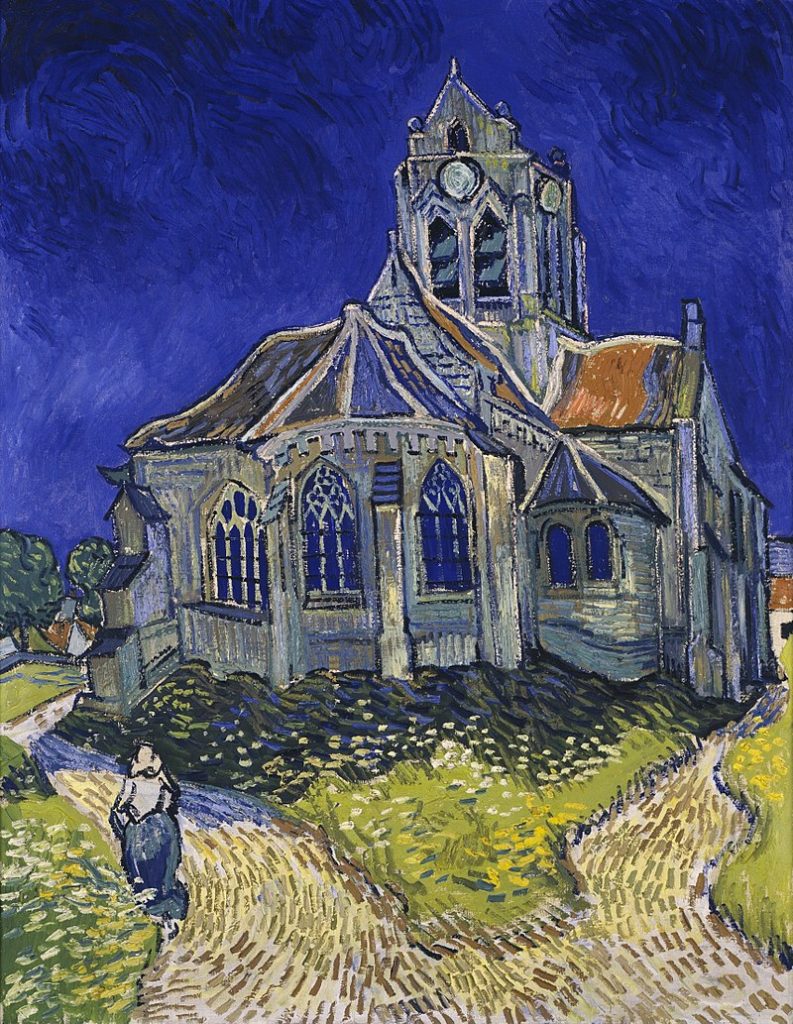 The church in
One of the most striking elements of The Church at Auvers is the forked path, which begins at the bottom of the painting, right where the viewer—or the artist himself—stands. This motif appears in several of Van Gogh’s final works, raising the question: Did Vincent subconsciously express his own inner turmoil, torn between the path of life and the path of death? We will never truly know.
Wheatfield with Crows: A Misunderstood Final Work
Despite the popular myth that Wheatfield with Crows was Van Gogh’s last painting, this is not true. In the final two weeks of his life, he painted several landscapes of the fields surrounding Auvers, each infused with overwhelming emotion.
One lesser-known but equally powerful piece, Wheatfield Under Stormy Skies, boldly showcases Van Gogh’s genius. Using almost only two colors in an elongated horizontal format, he conveys a deep human struggle, an internal battle, and the inability to control oneself.
For Van Gogh, nature was his mirror, a way to communicate with himself. Through his paintings, he spoke to the world.
In late July, as he painted the golden fields, he wrote to Theo, revealing his effort to overcome his inner demons:
“I almost believe that these canvases will tell you what I cannot say in words—that is, what I consider to be healthy and encouraging about the countryside.”
Even in his darkest moments, Van Gogh’s art remained his final conversation with life itself.
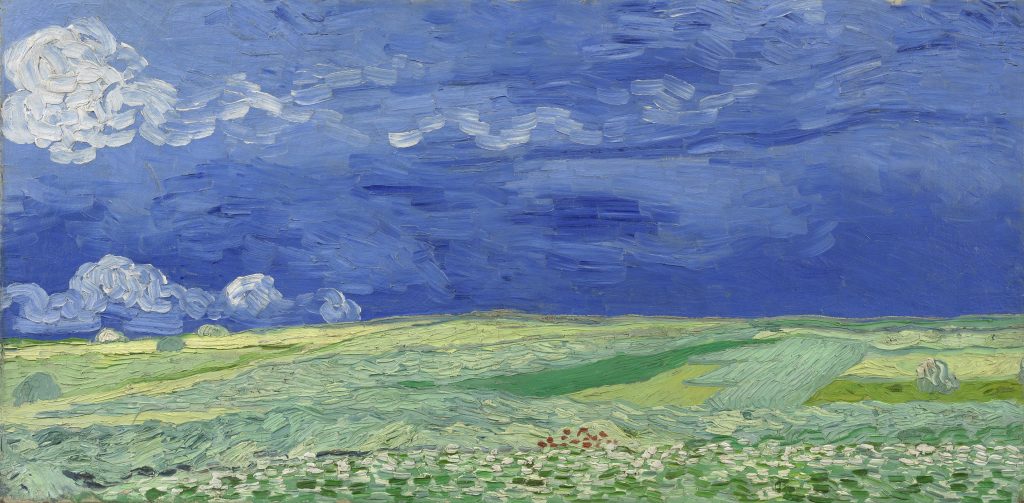
Wheat field under storm clouds
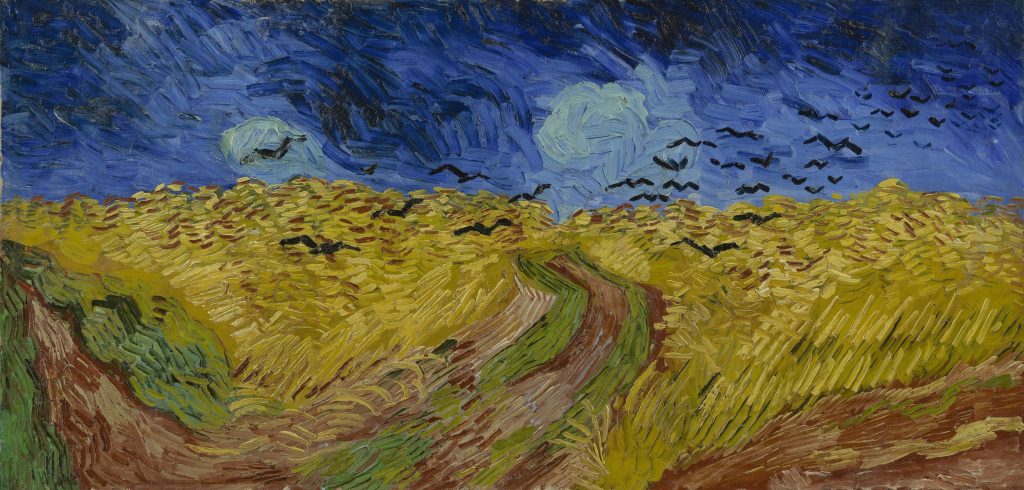
Wheat field with crows
Even though Wheatfield with Crows was not Van Gogh’s final painting, everything within it foreshadows his inevitable and certain end.
Unlike Wheatfield Under Stormy Skies, where green dominates, this painting is engulfed by yellow, stretching across a vast field, while above it looms a menacing blue sky, streaked with dark, ominous forms. The visual bridge between these two realms is a flock of crows, almost abstract in form, flying toward the viewer—as if delivering a foreboding message.
However, the element that most interpreters see as an indication of suicide is the three diverging paths, leading nowhere. The green-brown rural trails do not vanish into the horizon—the central path abruptly disappears into the middle of the painting, while the two side paths simply end at the canvas’s edge.
All three originate from the lowest, central point of the composition, radiating outward like a crossroads that offers no destination—only emptiness.
In this way, Van Gogh painted his own isolation, his despair, and the absence of a way forward—a visual representation of the dead-end of his existence.
One man’s life became the ultimate sacrifice for the creation of timeless art—art that now draws millions of visitors to museums around the world, eager for even a fleeting glimpse of his masterpieces.
Walking in Vincent’s footsteps, his paintings came to life before our eyes, reaffirming a profound truth:
“Art does not imitate life; rather, life tries to resemble art.”


